
Introduction to Round Bale Net Wrap
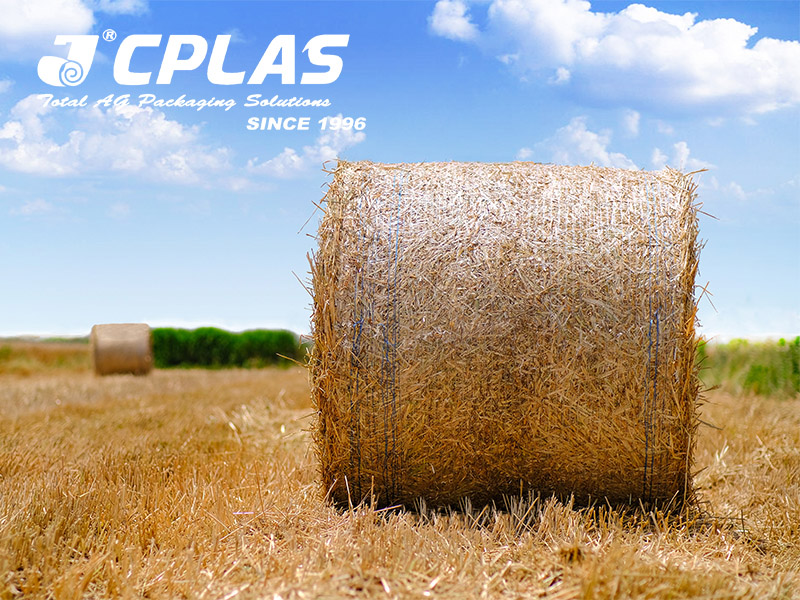
Round bale net wrap is a knitted polyethylene netting manufactured for the wrapping of round crop bales. For decades, it has become essential equipment on thousands of family farms, custom baling contractors and large‑scale agricultural operations across North America, Europe, Southeast Asia and South America. If you search for round bale net wrap for sale at local farm stores or look up round bale net wrap price online, you will quickly notice huge gaps between different product grades. Many buyers also browse tractor‑supply‑style retail platforms hoping to grab budget‑friendly rolls, yet they often overlook core performance differences between standard netting, heavy‑duty grades and experimental HDPE Agriculture Biodegradable Silage Bale Wrap Net variants.
Modern round balers rely on knitted polyethylene netting to secure hay, alfalfa, rice straw, corn stalk silage and other crop residues. Unlike baler twine that only creates spaced binding loops, round bale net wrap delivers full‑surface coverage in only two to three baler rotations. This speeds up field work, keeps bales compact during truck transport and stacking, and cuts down dry‑matter loss when bales sit outdoors for months. Still, poor‑quality net wrap can bring real‑world headaches: unexpected mid‑harvest tearing, net aging fast under strong sunlight, bales bursting during handling, and wasted valuable forage. Whether you are comparing round bale net wrap price from local tractor supply dealers or requesting factory wholesale quotations, knowing these practical buying points will help you match the right product for your farm conditions.
Core Application Scenarios of Round Bale Net Wrap
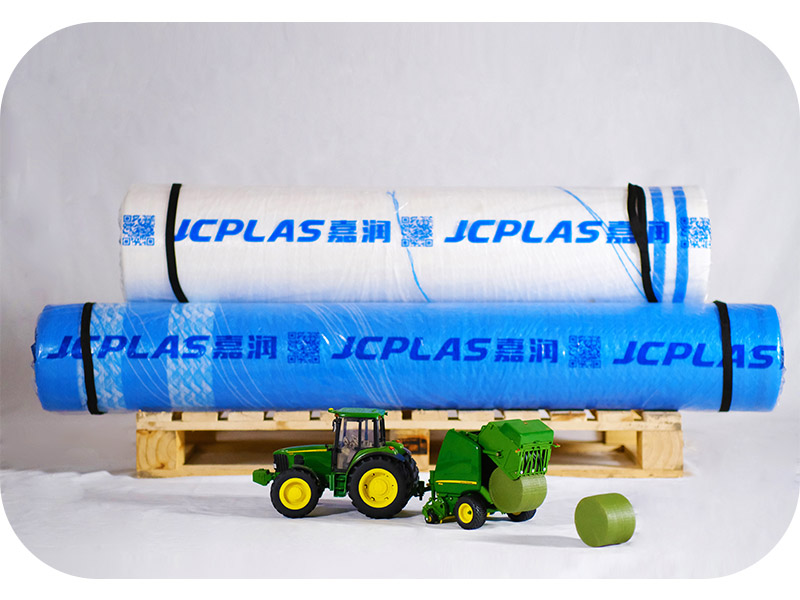
Round bale net wrap is primarily used together with baling machines to compress harvested forage, wheat straw, corn stalks, alfalfa and rice straw into compact round or square bales, simplifying subsequent transportation, storage and commercial sales. Widely adopted on large‑scale farms, grassland pastoral zones and straw‑recycling collection points, it serves as an effective replacement for traditional baler twine.
🌾 Agricultural Applications
Hay Baling & Storage: Suited for alfalfa, leymus chinensis, oat grass and other forage crops on large farms and grasslands. It tightly compacts bales; properly‑formulated Bale Net Wrap stays free of cracking or bursting for 3‑6 months under open‑air stacking.
Crop Straw Recycling: Baled wheat, corn and rice straw can be reused as livestock feed, biogas raw material or organic fertilizer, reducing air pollution caused by open straw‑burning.
Silage Production: When matched with silage film, round bale net wrap tightly encloses high‑density silage bales for pit‑storage or wrapped‑bale silage, minimizing nutrient loss.
🚜 Transportation & Warehouse Storage
Anti‑scattering for Long‑Haul Shipment: Alfalfa bales may reach density of 350‑450 kg/m³ with strong internal expansion force. High‑tensile round bale net wrap prevents bursting and forage spilling during long‑distance bumpy transit, ideal for cross‑regional forage delivery.
Stack‑able Warehouse Storage: Uniform compact bales save warehouse floor space. Smooth net surfaces allow easy mechanical grabbing and handling, perfect for bulk inventory held by power plants, forage companies and dairy farms.
🏭 Non‑Agricultural Extended Usage
Industrial Wrapping & Packing: Beyond farm‑related work, knitted polyethylene net wrap can also wrap and secure industrial goods for transport‑phase protection.
Match Net Wrap Grade To Your Crop & Storage Conditions
First, understand your actual working conditions before shopping for round bale net wrap for sale. Different crop types place completely different stress levels on knitted polyethylene netting. Soft leaf‑rich alfalfa creates mild friction; dry straw and corn stalk carry sharp rigid edges that constantly poke and abrade net surfaces. Silage bales carry higher internal moisture, which puts lasting outward stretching force on net wrap day after day. If you produce silage, you may also look into HDPE Agriculture Biodegradable Silage Bale Wrap Net options for eco‑friendly end‑of‑life disposal. However, most biodegradable formulations come with clear limitations on outdoor UV lifespan and higher round bale net wrap price, so do not blindly pick biodegradable types without checking real‑world field test results.
Many farmers start their search at tractor supply retail outlets. Local tractor‑supply‑type shops offer convenient small‑roll purchases for small‑scale farms. But retail price points are normally marked up by resellers. If you run high‑volume baling work, buying direct from qualified manufacturers will usually give you far better unit cost. It is quite common to see large gaps between retail round bale net wrap price and factory bulk quotations. Keep in mind that the lowest‑priced roll does not always equal the lowest real cost per finished bale. Cheap net wrap made from mixed recycled polyethylene may feed well on cool days, but it tends to develop micro‑cracks under UV exposure and tear easily against sharp stalk material. One baling contractor from Iowa shared his costly lesson: “I once bought low‑cost net wrap from a tractor‑supply dealer to cut expenses. During the second half of harvest season, we saw frequent net break‑offs on corn‑stalk bales, which slowed our whole baling schedule and forced extra manual re‑wrapping work.” Stories like this show that focusing purely on low round bale net wrap price can create hidden labour and forage losses.
Raw‑Material: Virgin HDPE VS Recycled Polyethylene
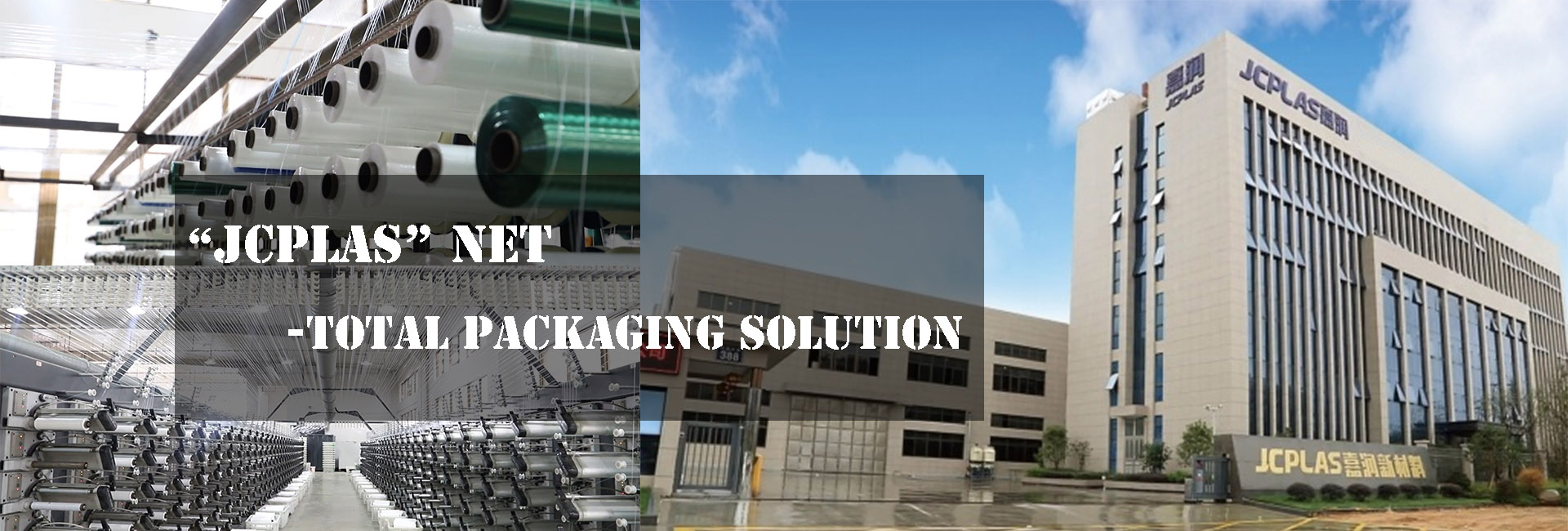
Material quality forms the base of reliable Bale Net Wrap. Remember, Bale Net Wrap is a knitted polyethylene netting manufactured for the wrapping of round crop bales, but raw‑material quality varies greatly across suppliers. 100 % virgin HDPE delivers stable tensile strength, good creep resistance and consistent UV ageing performance. Recycled blended polyethylene contains inconsistent polymer chains and impurities. It may look visually similar on the shelf, yet its puncture‑resistance drops sharply when facing abrasive dry straw or corn stalks. When you contact suppliers for round bale net wrap for sale quotations, always ask whether rolls adopt pure virgin HDPE feedstock.
Next, pay close attention to UV stabilisation requirements. Your local climate and bale storage mode decide what UV additive level you actually need. If bales will only stay outdoors for several weeks before feeding or resale, standard UV‑treated round bale net wrap meets basic demands. If you stack bales in open fields for six months or longer under intense tropical or subtropical sunlight, you must select high‑dose UV‑stabilised heavy‑duty grades. HDPE Agriculture Biodegradable Silage Bale Wrap Net products also need matching UV inhibitors; many eco‑friendly variants degrade extremely fast under strong sun if formulated improperly. Reputable manufacturers adjust UV recipes for different regional markets instead of selling one universal formula worldwide.
Baler Compatibility, Width And Roll‑Length Selection
Baler compatibility and dimension selection are another frequent source of avoidable trouble. Even top‑grade round bale net wrap cannot perform if you order incorrect width. Check your round baler official manual and confirm chamber width specifications. Popular market sizes cover 48‑inch, 51‑inch, 64‑inch and 67‑inch. Too‑narrow net wrap leaves bale shoulder sections uncovered; rainwater seeps inside and bales fall apart in transit. Over‑wide net wrap bunches inside the baler feeding mechanism and triggers repeated jams during harvest rush hours. The vast majority of global round balers accept a standard 76 mm inner paper core. If you own older or special‑model baling equipment, inform your supplier early for custom‑core support. If you cannot find dimension documents, send your exact baler model number to factory technical teams for free dimension guidance.
Roll‑length choice connects closely with your annual baling volume. Large‑volume contract balers prefer extra‑long rolls, which reduce frequent roll‑changing stops in the field. Small family‑scale operators often pick medium‑length rolls to lower inventory investment. When comparing round bale net wrap price lists from tractor‑supply retailers or factories, calculate real cost per finished bale rather than only comparing per‑roll price. A cheaper short‑length roll appears attractive at first glance, yet you will consume more total rolls for the same quantity of round bales. Supplier sales teams can help you complete simple volume calculations once you share your expected annual baling output.
Biodegradable Net Wrap, Sample Test & OEM Order Advice
When you evaluate round bale net wrap for sale options, you will also face the choice between standard HDPE net wrap and HDPE Agriculture Biodegradable Silage Bale Wrap Net. Biodegradable knitted polyethylene netting brings obvious environmental benefits: it gradually breaks down under soil conditions, lowering plastic‑waste pressure for farms. Still, it carries important trade‑offs. Most biodegradable net wrap has shorter anti‑UV service life for open‑air storage, and its round bale net wrap price sits noticeably higher than conventional virgin‑HDPE alternatives. It suits operations that feed bales quickly and collect leftover net fragments for field decomposition, but it is not ideal for bales sitting many months under strong sunlight. You should run small‑scale field trials before committing to large‑volume biodegradable orders.
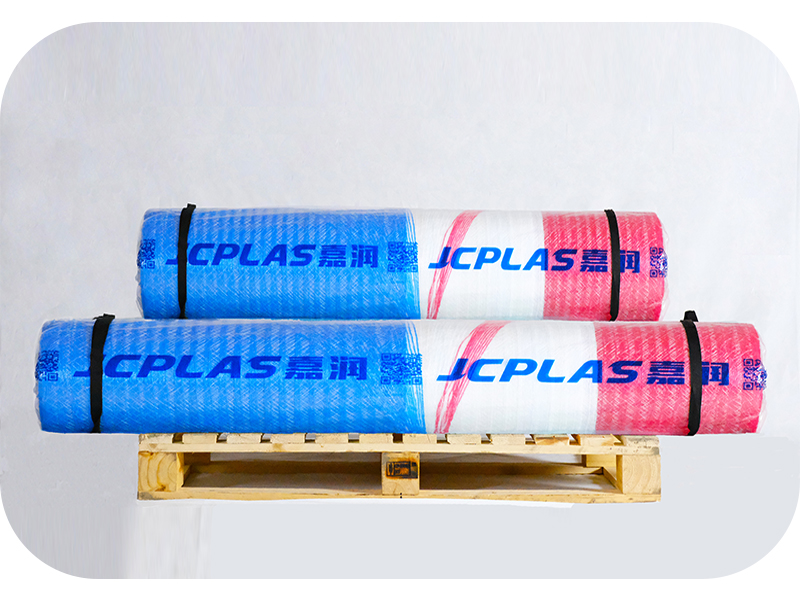
Sample testing remains highly recommended no matter you buy from tractor‑supply stores or direct factories. Real‑world field testing reveals feeding smoothness, anti‑tearing performance and actual bale stability far better than reading specification documents alone. Many professional manufacturers provide trial sample rolls; buyers usually cover sample freight, then test net wrap using their own local crop under real‑farm working conditions. OEM and custom‑printing services are available for agricultural distributors placing pallet or full‑container‑level bulk orders. Custom warning‑strip colours and private‑label printing need longer lead‑time compared to off‑the‑stock standard rolls. Normal non‑custom round bale net wrap generally takes 15‑25 working days after deposit; OEM private‑label orders usually run 30‑35 working days. Always arrange purchasing plans ahead of harvest to prevent supply shortage.
Round Bale Net Wrap VS Traditional Baler Twine
Let us briefly compare round bale net wrap against traditional baler twine. Twine still runs on older round baler hardware. However, twine only creates separated loop bindings with gaps in‑between. Sharp crop stalks can push through gaps, forage scatters during haulage, and rainwater penetrates bale interiors more easily. Round bale net wrap achieves complete mesh coverage within just two‑to‑three baler rotations. Baling cycles speed up greatly, bales hold firm shape through repeated handling, and mesh surface helps shed rainwater. Even though each individual net‑wrap roll has higher upfront round bale net wrap price, you consume fewer rolls for equal bale numbers. For modern round baler equipment, knitted polyethylene Bale Net Wrap delivers better overall return‑on‑investment for most hay, straw and silage baling projects.
Bulk Purchase Checklist for Round Bale Net Wrap
Before you confirm bulk‑order purchase for round bale net wrap for sale, go through this practical checklist:
1. Confirm your main crop type: abrasive dry stalk materials require heavy‑duty puncture‑resistant virgin‑HDPE grade.
2. Work out outdoor‑storage duration plus local sun intensity and select matching UV‑stabilisation grade; decide whether HDPE Agriculture Biodegradable Silage Bale Wrap Net fits your farm.
3. Double‑check baler‑required net‑wrap width and inner‑core dimension.
4. Estimate your total annual bale output and choose suitable roll‑length options.
5. Balance round bale net wrap price and raw‑material quality; request trial samples when possible.
6. Clarify OEM custom‑label needs and lock production lead‑time matching your harvest timeline.
Why us
OUR PRODUCTS ARE A SMALL BUT OFTEN DECISIVE
PART OF THE SUCCESS OF A HARVESTING CHAIN
Vision
To make baling/packaging work more enjoyable!
Mission
To prioritize our customers by providing reliable, high‑quality products and exceptional service, empowering them to thrive in a competitive market and gain valuable market share.
At JCPLAS Co.,We offer:
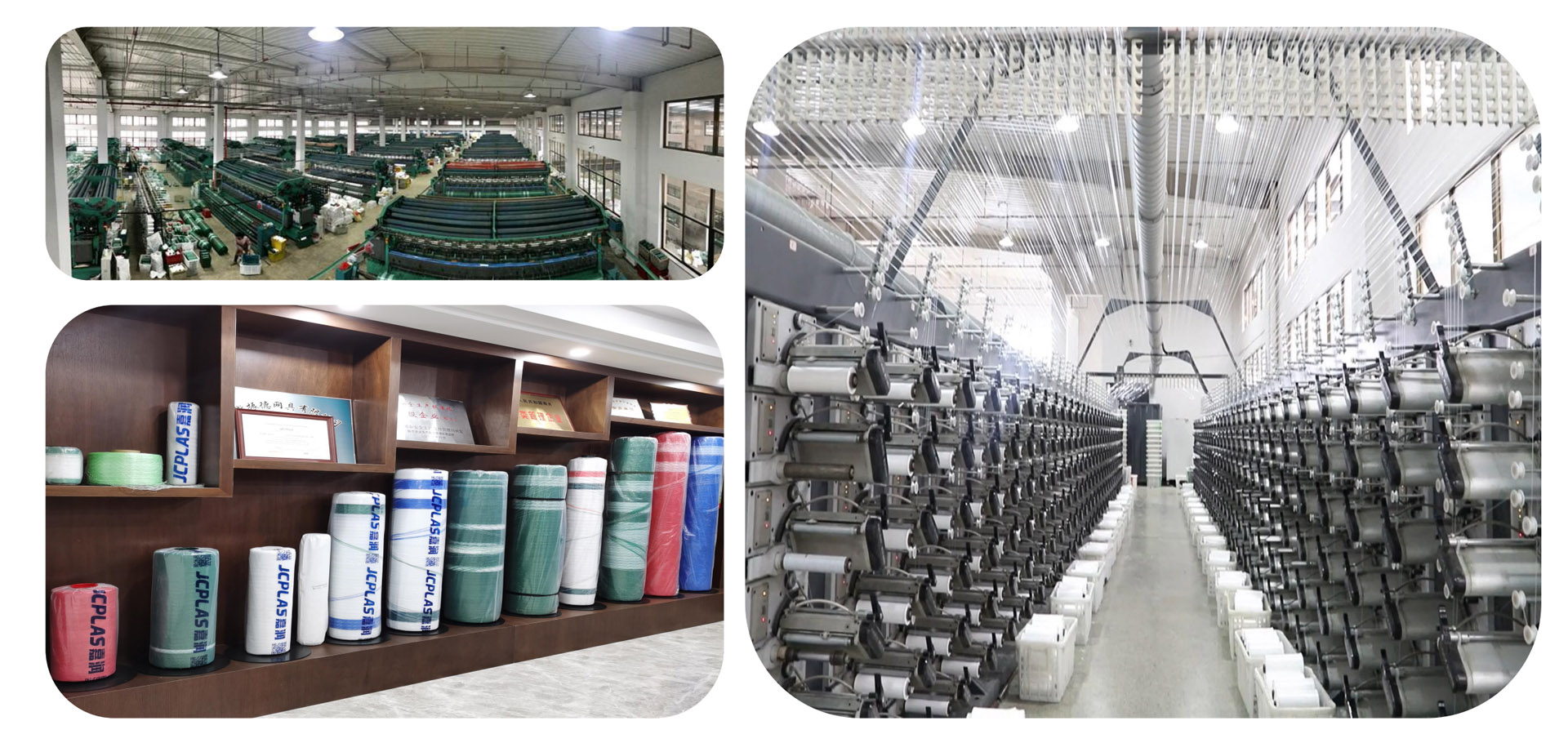
- Quality Guarantee: We operate our own manufacturing facility with advanced production lines dedicated to maintaining high‑quality standards.
- Fast Delivery: With over 65 machines, we efficiently adjust to orders for prompt delivery.
- One‑Stop Service: Our competent R&D team keeps us at the forefront of product trends.
- OEM/oDM Production: We bring over 28 years of export experience to the table.
Frequently Asked Questions
Q: Can I buy round bale net wrap at tractor supply retailers?
A: Yes, tractor‑supply‑style farm retailers supply small‑batch retail‑grade rolls, convenient for small farms. For large‑volume baling jobs, factory direct purchase offers better unit cost.
Q: How long does UV‑stabilised round bale net wrap last in outdoor storage?
A: Standard UV‑treated grades hold stable for roughly 6‑8‑month outdoor exposure; heavy‑duty high‑UV formulations can reach 12 months or more. Real‑world service life also depends on local rainfall, sun intensity and bale‑stacking practices. HDPE Agriculture Biodegradable Silage Bale Wrap Net usually has shorter outdoor usable lifespan.
Q: What is typical factory MOQ for round bale net wrap?
A: Trustworthy manufacturers accept small trial‑order quantities. More competitive wholesale round bale net wrap price unlocks for pallet‑size or full‑container‑size purchases.
Ready to get factory‑direct quotation for round bale net wrap?
If you are a farm owner, agricultural contractor or distributor sourcing reliable round bale net wrap, feel free to send your inquiry.
Please provide these key details in your message:
1) Your baler model or required net wrap width
2) Target quantity (rolls / pallets / containers)
3) Main crop type (hay / straw / corn silage etc.)
4) Local climate condition (sunlight strength, expected outdoor storage months)
5) Requirement: standard HDPE or HDPE Agriculture Biodegradable Silage Bale Wrap Net, private‑label custom needs.
Our sales team will reply with factory‑direct price and practical technical suggestions quickly.