
Introduction to Rice Straw Bale Net Wrap
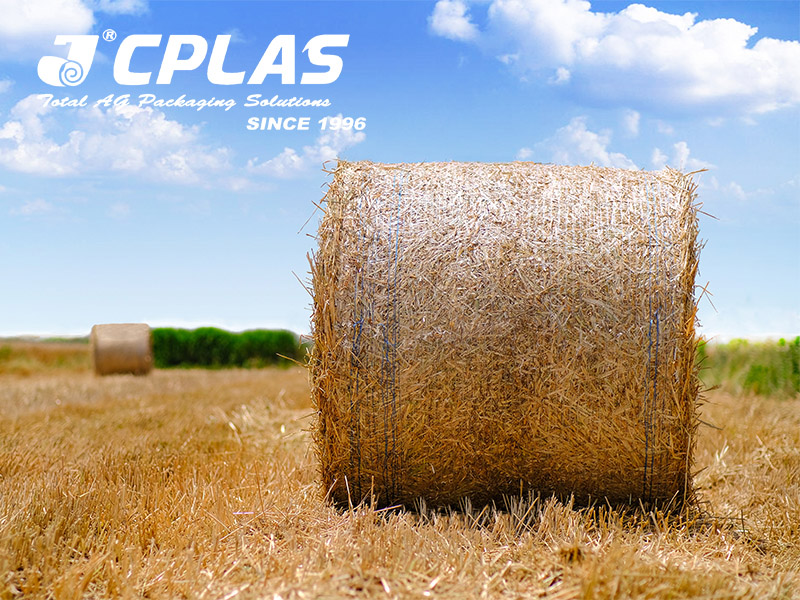
Rice straw remains one of the most versatile agricultural by‑products across global farming communities. Once treated as field waste to burn or plough under, it now works well as livestock roughage, animal bedding, biomass feedstock and raw compost material. Turning loose rice straw into tight round bales cuts costs for collection, trucking and long‑term storage. But many farmers and distributors hit real‑world headaches during harvest: net tearing mid‑baling, bales splitting on trucks, net going brittle after weeks in open fields, and large volumes of rice straw thrown away because they picked unsuitable Bale Net Wrap.
Many buyers search online for rice straw bale net wrap for sale. They compare factory offers and chase low unit prices yet ignore unique traits of dry rice straw. Unlike soft alfalfa or leafy hay, dried rice straw comes with sharp, rigid stalk edges and strong outward spring‑back after compression. These features put heavy stress on baling net material. Even trusted general‑purpose net wrap may fail under continuous rice‑straw workload in harvest season. Whether you manage a small family farm, run baling contract jobs, or import large volumes for resale, knowing key buying criteria helps balance product quality, factory‑direct price and real‑world field results.
What makes rice straw so tough on bale net wrap?
After rice harvest, straw dries fast under sunlight. Each stalk becomes stiff and abrasive. When squeezed in a round baler chamber, sharp straw ends scratch and poke against the inner net surface. Once the bale drops out of the baler, compressed rice straw tries to expand outwards and pulls the net constantly. During loading, road haulage and field stacking, bales rub and knock against each other.
Cheap net wrap made of mixed recycled HDPE might look fine during baling. It can tear apart on the way to storage yards. Broken bales mean extra manual labour, lost straw tonnage and wasted working time during your busiest farm season.
Outdoor storage creates another real‑world challenge. In rice‑producing areas of Southeast Asia, Latin America and Africa, finished rice straw bales often sit in open fields for months before use or resale. Heavy rain, high humidity plus strong UV rays slowly degrade plastic net. Without proper UV additives, net turns brittle and cracks. Many of our overseas clients shared this exact pain point: they bought cheap rolls at low factory price only to find nets shattered after 3‑4 months exposed outdoors. Small per‑roll savings quickly disappear once large stacks of rice straw bales collapse.
Raw‑material: Virgin HDPE vs recycled plastic for rice straw baling
Material quality forms the base of reliable rice straw bale net wrap. When reaching out to factory suppliers, always confirm if they supply 100 % virgin HDPE or blended recycled plastic. Visually, recycled‑content net wrap can look nearly identical to virgin‑grade goods. Looks alone cannot serve as quality check. Recycled HDPE carries inconsistent polymer structure and leftover impurities. Its tear and puncture resistance drops when rubbing against sharp rice straw stalks. It may feed smoothly on cool cloudy days but develop invisible micro‑cracks under field sunlight. Reputable China Bale Net Wrap factories stick to pure virgin HDPE for heavy‑straw applications even though raw‑material costs go higher. Cutting corners on raw material almost always brings bigger losses later for rice‑straw baling work.
Mechanical grade & UV stabilisation for rice straw bale net wrap
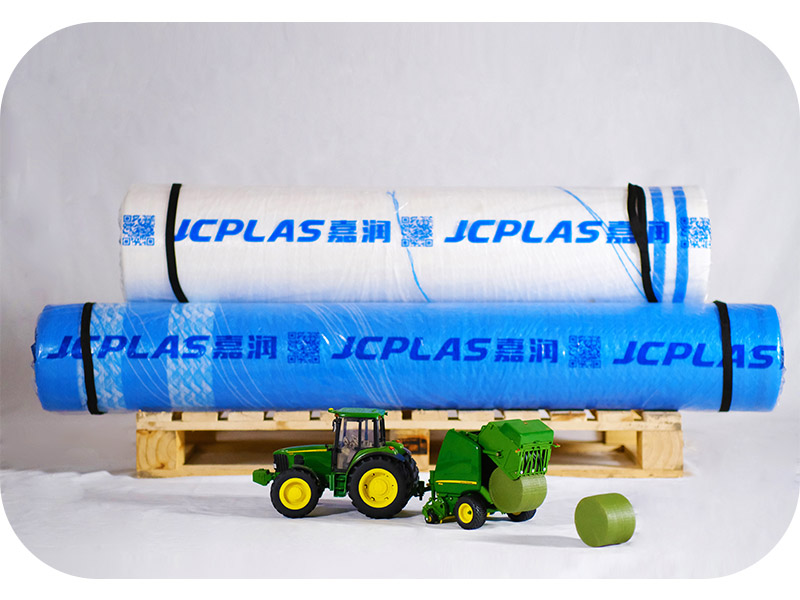
When sourcing rice straw bale net wrap directly from factories, check mechanical performance first. For dry, abrasive rice‑straw bales, pick heavy‑duty grades built for high puncture resistance. These rolls hold up to constant scraping from hard straw stalks. Most factories offer three main lines: general‑purpose standard grade, soft‑formula for tender forage, and heavy‑duty for coarse stalk crops.
Do not order soft‑forage net wrap just for lower unit price. Those products are made for alfalfa and soft grass hay; they protect fragile plant leaves but lack puncture strength rice straw requires.
UV stabilisation should match your local environment. Ask two simple practical questions: how long will bales stay outdoors, and how strong is local sunlight? If you consume or resell rice straw within weeks and store bales under shelter, standard UV‑stabilised net wrap gives decent cost performance. For tropical, subtropical or high‑altitude locations where bales sit exposed six months or longer, choose extra‑protection grade with high‑dose UV inhibitors. Good manufacturers adjust UV formulas for different regional markets instead of exporting one single formula worldwide. Slightly higher cost per roll protects your whole straw stockpile for long‑time outside stacking.
Real‑world feedback from our field partners drives our product improvements. One rice‑straw baling contractor operating in central Thailand shared his costly lesson after testing low‑cost net wrap from another supplier: “I saved a little money per roll at first. But after roughly four months under intense tropical sun, large parts of my outdoor‑stacked rice straw bales split open. I lost tons of straw feed and spent extra labour restacking broken bales.” Stories like this remind buyers that upfront low pricing does not equal total‑cost savings for long‑term outdoor straw storage.
Baler compatibility, width and roll‑length selection
Baler fit and correct dimension cause many avoidable field issues. Even top‑quality heavy‑duty rice straw bale net wrap fails if you order wrong width. Check your round baler operation manual to confirm chamber width. Common market sizes include 48 inch, 51 inch, 64 inch and 67 inch. Too‑narrow net wrap leaves bale shoulders open; rain seeps inside and bales easily break during transport. Over‑wide net wrap bunches inside baler feeding parts and creates frequent jams in harvest rush hours. Most global round balers take a 76 mm inner core. If you run older or special‑model balers, tell your factory supplier early for custom‑core options. If you cannot find dimension documents, send baler model number to factory technical team for free advice.
Roll‑length choice relates to your operation scale. Large contract balers prefer extra‑long rolls like 9840 ft to reduce frequent roll‑changing stops in the field. Small family farms may select medium‑length rolls to lower inventory investment. When comparing factory price offers, do not judge value only on per‑roll price. Work out real cost for each finished rice straw bale. Cheaper short rolls can cost you more in total because you burn more rolls for same bale output. Factory sales staff can help you run simple volume estimates once you share expected annual baling volume.
Factory price, sample test and OEM custom order tips
Every buyer cares about factory price, and it makes total sense to seek fair wholesale rates. Direct factory pricing beats middle‑man markup for full‑pallet or full‑container bulk orders. However, extremely low‑ball quotations deserve your caution. Such offers usually come from plants using recycled raw material or minimal UV additive treatment.
We strongly recommend real‑world sample testing before you place large‑volume orders. Most Chinese manufacturers supply trial rolls, buyers cover courier freight. Test samples with your local rice straw under real farm conditions. Actual field testing shows feeding performance, anti‑tearing effect and bale stability far better than reading spec sheets only.
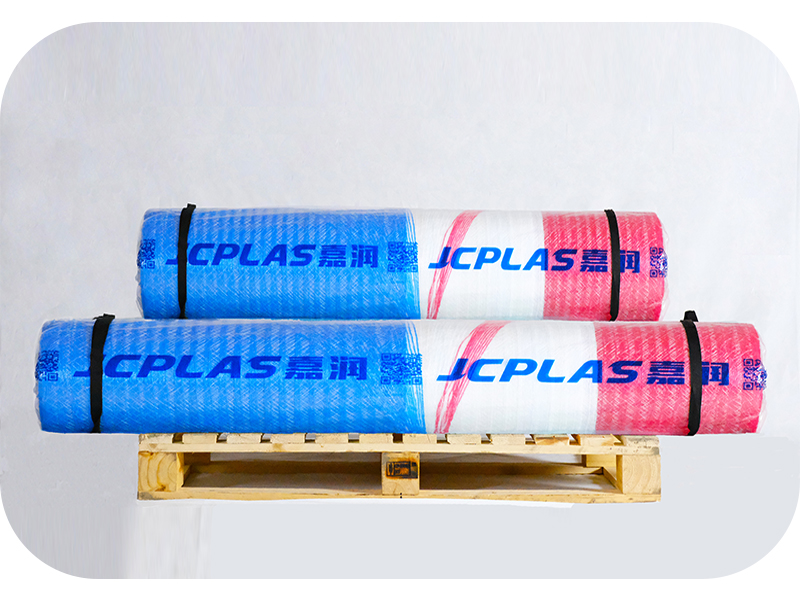
OEM and custom work fits agricultural distributors. Reliable factories support custom width, custom roll length, warning‑strip colour adjustment and private‑label printing for pallet or container‑size orders. Custom‑printed goods need longer lead‑time compared to off‑the‑stock items. Standard non‑custom rice straw bale net wrap takes 15‑25 working days after deposit; OEM private‑label orders usually run 30‑35 working days. Arrange purchasing plans ahead of rice harvest to prevent supply shortage.
Rice straw baling: Bale Net Wrap vs Baler Twine
Let’s compare real‑world performance between net wrap and traditional baler twine for rice‑straw jobs. Twine still works on older baler machines, yet it brings clear downsides. Twine creates separate loop bindings with gaps in‑between. Sharp rice‑straw stalks push through gaps, straw scatters during haulage, and rainwater easily soaks into bale interiors. Bale Net Wrap achieves complete bale surface coverage within two‑to‑three baler rotations. Baling cycles speed up, bales hold shape through repeated handling, and surface shedding cuts moisture ingress. Even though each net‑wrap roll has higher upfront factory price, you consume fewer rolls for same amount of rice‑straw bales. For modern round baler equipment, heavy‑duty net wrap delivers better overall return for rice‑straw processing work.
Checklist before placing bulk rice straw bale net wrap order
Before confirming bulk purchase from factory suppliers, go over this practical checklist:
1. Confirm crop condition: dry rice straw calls for heavy‑duty virgin HDPE grade.
2. Work out storage arrangement plus local sun intensity and pick matching UV‑stabilisation grade.
3. Double‑check baler‑required net wrap width and inner‑core dimension.
4. Estimate total bale output and select suitable roll‑length options.
5. Balance factory‑direct price and material quality; request trial samples when possible.
6. Clarify OEM custom requirements and lock production lead‑time matching your rice‑harvest timeline.
Why us
OUR PRODUCTS ARE A SMALL BUT OFTEN DECISIVE
PART OF THE SUCCESS OF A HARVESTING CHAIN
Vision
To make baling/packaging work more enjoyable!
Mission
To prioritize our customers by providing reliable, high‑quality products and exceptional service, empowering them to thrive in a competitive market and gain valuable market share.
At JCPLAS Co.,We offer:
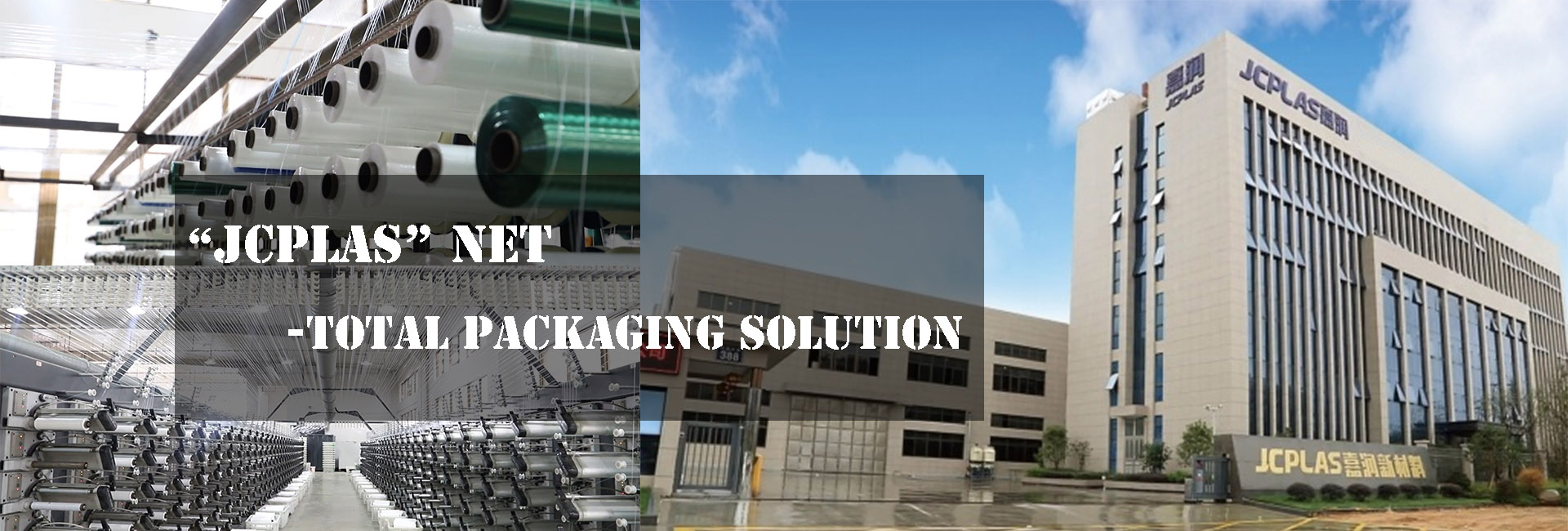
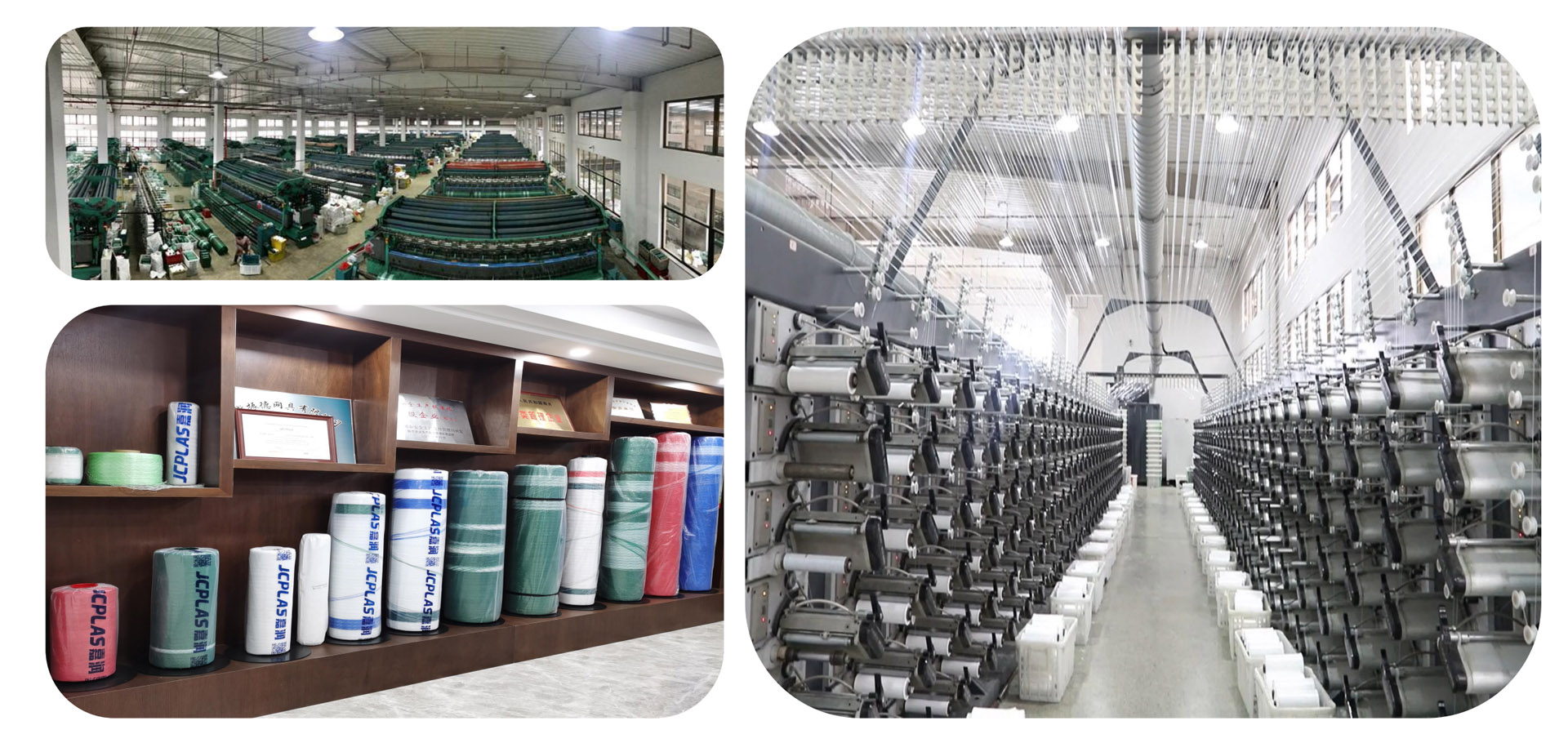
- Quality Guarantee: We operate our own manufacturing facility with advanced production lines dedicated to maintaining high‑quality standards.
- Fast Delivery: With over 65 machines, we efficiently adjust to orders for prompt delivery.
- One‑Stop Service: Our competent R&D team keeps us at the forefront of product trends.
- OEM/oDM Production: We bring over 28 years of export experience to the table.
Frequently Asked Questions for Rice Straw Bale Net Wrap
Q: Can general‑purpose hay net wrap handle rice straw?
A: It can serve short‑term use, yet tearing risk stays high because rice straw stalks are sharp. Heavy‑duty grade remains safer for long‑term field work.
Q: How long will UV‑enhanced rice straw bale net wrap last outdoors?
A: Under strong tropical sunlight, extra‑protection grade stays intact for over 12 months outdoor exposure. Actual service life also depends on stacking way and local rainfall.
Q: What is the MOQ from factory for rice straw bale net wrap?
A: Trustworthy manufacturers accept small trial‑order quantities. Better wholesale factory‑direct pricing unlocks for pallet‑level or full‑container‑size purchases.
Ready to get factory‑direct quotation for rice straw bale net wrap?
If you are a farm owner, agricultural contractor or distributor sourcing reliable rice straw bale net wrap, feel free to send your inquiry.
Please provide these key details in your message:
1) Your baler model or required net wrap width
2) Target quantity (rolls / pallets / containers)
3) Main crop type: dry rice straw
4) Local climate condition (sunlight strength, whether bales will sit outdoors many months)
5) Custom‑needs: private label, special roll length or colour.
Our sales team will reply with factory‑direct price and practical technical suggestions quickly.