A Agriculture Manual hay knife is a tool specifically designed for cutting through compacted hay bales. Its long, serrated blade is ideal for slicing through dense hay or silage without causing damage to the material. This tool is commonly used in agriculture to make handling and feeding hay easier, allowing farmers to cut sections from large bales with precision. Hay knives are available in various colors and can be particularly useful for managing tightly wrapped or baled hay.
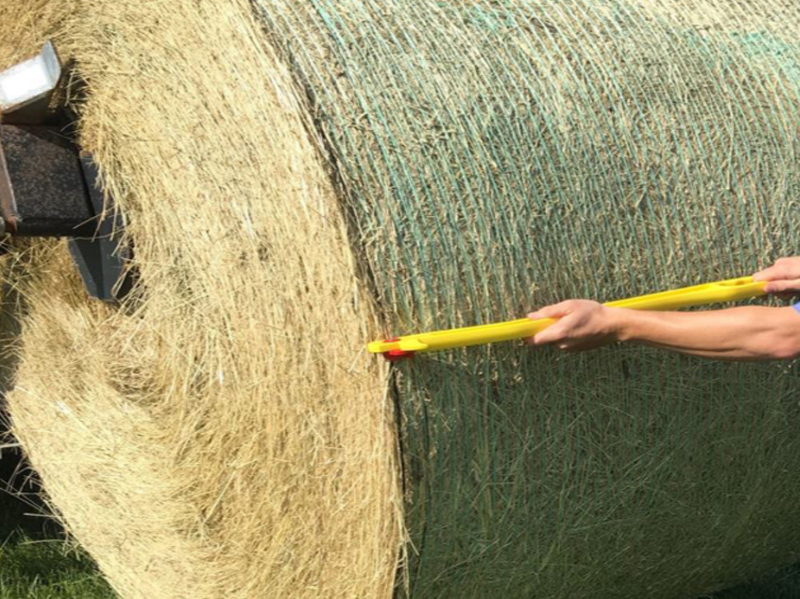
In the age of high-tech combine harvesters and automated balers, the simple hay knife stands as a testament to enduring agricultural utility. Often overlooked, this traditional hand tool remains indispensable on many farms for its precision, reliability, and low environmental impact. This comprehensive guide explores the hay knife's uses, benefits, and practical tips, offering valuable insights for farmers, homesteaders, and agricultural enthusiasts.
The hay knife’s history is deeply intertwined with manual farming. Before the advent of powered bale splitters, it was the only efficient way to access tightly packed winter fodder. Today, its relevance persists. For small-scale organic farms, homesteads, or operations in remote areas, the hay knife is a cost-effective and energy-independent solution. It requires no fuel, electricity, or complex maintenance, making it a perfect symbol of sustainable farm management. Furthermore, it is invaluable for opening weathered or rotten bales from the outside without breaking them apart entirely, minimizing waste.
Precision Feeding: Allows farmers to cut exact portions from a large bale, promoting controlled rationing and reducing feed waste.
Bale Management: Essential for opening tight, older square bales where twines have been removed or are embedded. It safely separates sections that have become fused together.
Low-Impact Tool: As a zero-emission tool, it aligns perfectly with regenerative and low-carbon farming principles.
Durability and Simplicity: A well-made hay knife, often crafted from high-carbon steel, can last for generations with basic care, offering an excellent return on investment.
Safety in Handling: When used correctly, it provides a controlled cutting method, as opposed to the potential hazards of using powered equipment for a simple dividing task.
Technique: Position the knife's point against the packed hay and use a firm, sawing or rocking motion to drive it in. Use the body's weight for efficiency, not just arm strength.
Safety: Always wear sturdy gloves and ensure the bale is stable before cutting. Keep the blade away from the body and limbs.
Maintenance: The key to performance is a sharp blade. Regularly sharpen the edge with a file or whetstone. After use, clean off any sap or debris, dry the blade thoroughly, and apply a light coat of oil to prevent rust. Store it in a dry place, preferably hanging or sheathed.
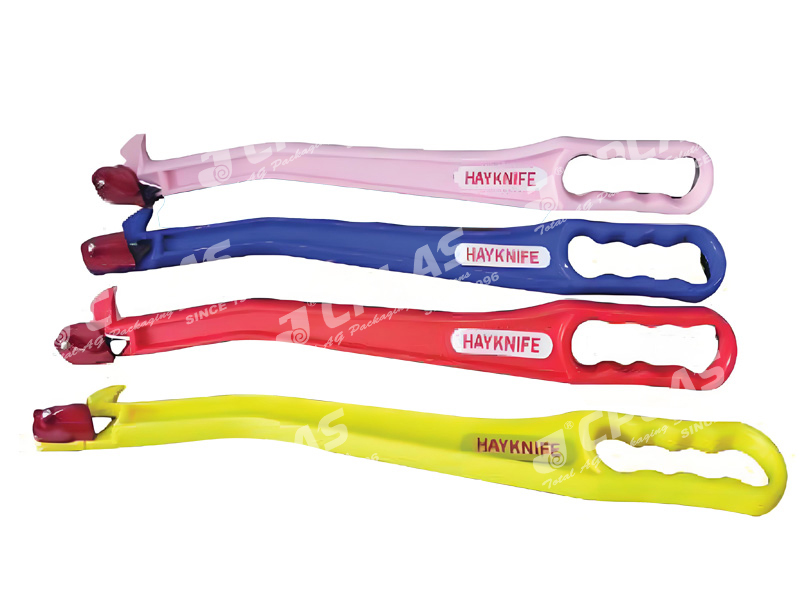
The agriculture hay knife is far from obsolete. It represents a practical, economical, and sustainable choice for responsible hay and feed management. In a world increasingly focused on resilience and sustainability, mastering the use of such a simple yet effective tool is a smart strategy for any agriculturalist. Whether as a primary tool or a reliable backup, the hay knife secures its place in the modern toolkit, bridging the wisdom of traditional farming with the needs of contemporary agriculture.

ADDRESS:388 JIANGNAN ROAD, GEXIANG INDUSTRY AREA, RUIAN, ZHEJIANG, CHINA
Melody melody@chinanetwrap.com
Echo: Echo@chinanetwrap.com
Santori: Santori@chinanetwrap.com
(Global):0086-577-58877667
(Local):0086-577-58877159