Agriculture Silage wrap film is a critical component in contemporary agriculture, enabling farmers to preserve forage efficiently and maintain high-quality feed for livestock. This specialized plastic film creates an airtight seal around baled crops, facilitating the fermentation process essential for producing nutrient-rich silage.
Silage Film is a specialized plastic film used to seal and preserve silage, which is fermented feed used for livestock. It is designed to protect silage from environmental elements like air, moisture, and contaminants, ensuring it stays fresh and maintains its nutritional value.
Silage film is an essential tool for farmers looking to preserve feed quality, reduce waste, and maintain a steady supply of high-quality silage for livestock throughout the year.
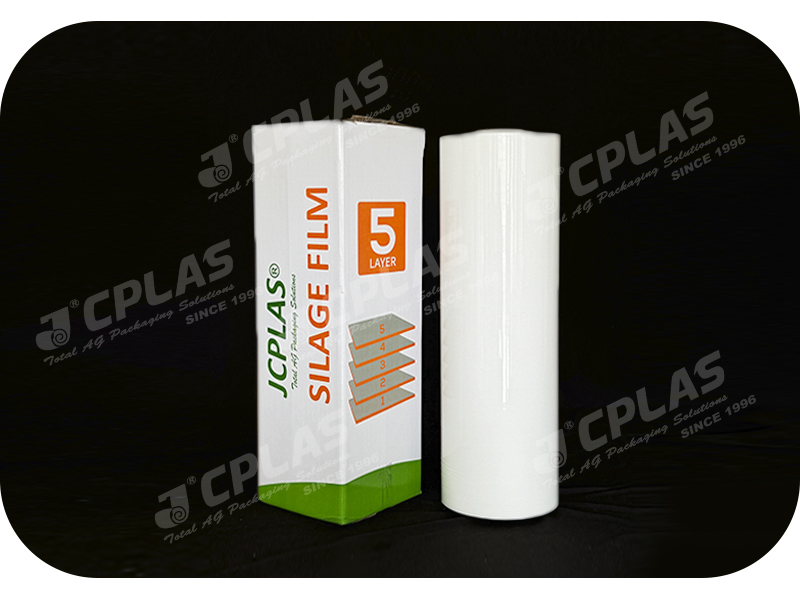
· Material Strength: The film must exhibit high tensile strength and puncture resistance to withstand the baling process and resist damage during handling and outdoor storage.
· UV Protection: Quality films include UV stabilizers to prevent degradation from prolonged sunlight exposure, ensuring the seal remains intact for many months.
· Cling and Seal Integrity: Excellent cling properties between layers are vital. When applied with a bale wrapper (typically using 6-8 layers), the film layers must fuse to form a consistent, impermeable barrier against air and moisture.
1. Bale Preparation: Ensure forage is baled at the correct moisture content (generally 40-60%) to optimize fermentation and reduce bale pressure.
2. Proper Wrapping: Apply the recommended number of film layers with a modern bale wrapper to guarantee a complete seal. Uniform, tight bales are easier to wrap effectively.
3. Storage and Maintenance: Store wrapped bales on a clean, level surface. Regularly inspect the film for punctures or tears and repair them immediately with UV-resistant tape to maintain the anaerobic environment.
Conclusion
Silage wrap film is an indispensable tool for efficient forage management. By
understanding its role in creating an oxygen-free seal and selecting a durable,
high-performance product, farmers can significantly reduce feed waste, secure
superior nutritional quality for their livestock, and enhance overall farm
sustainability and profitability.
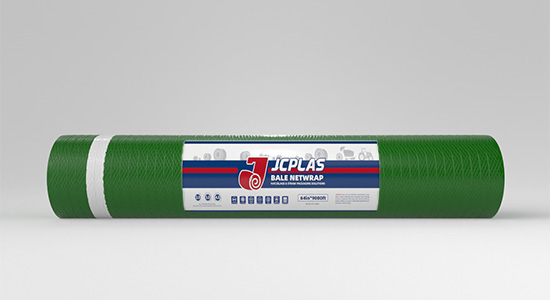
JCPLAS® bale net wrap is easy to load into all types and brands of net wrap round balers, and provides a reliable solution for farmers who need a strong, efficient, and long-lasting baling product for demanding conditions.
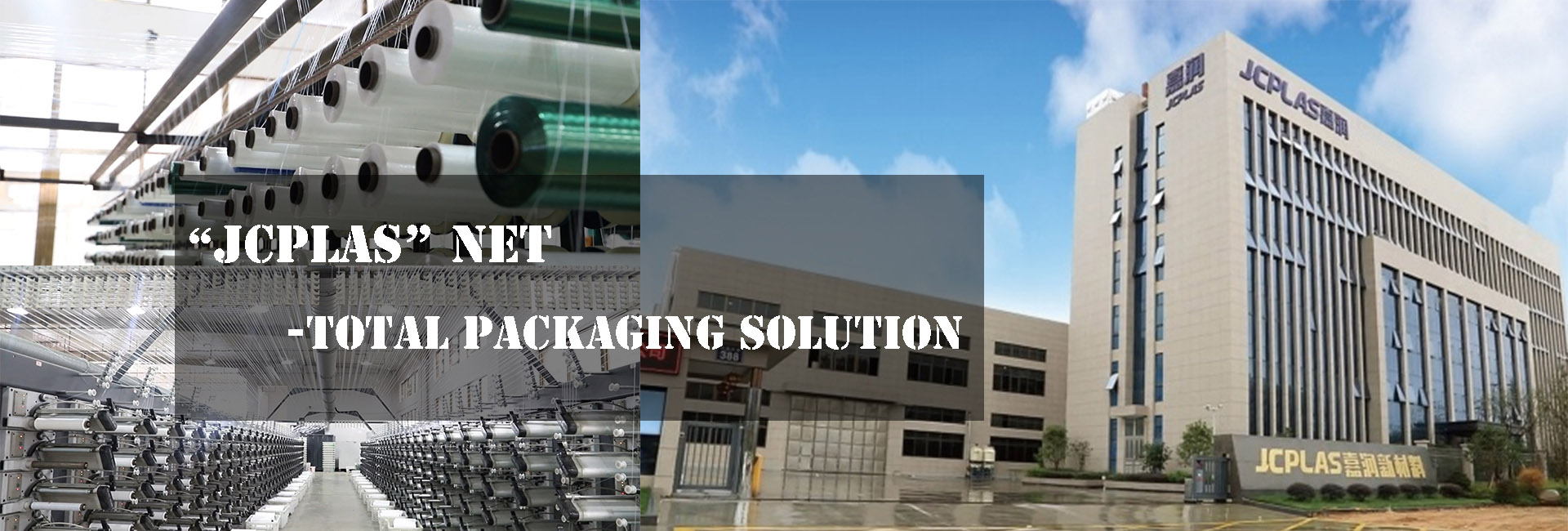
ADDRESS:388 JIANGNAN ROAD, GEXIANG INDUSTRY AREA, RUIAN, ZHEJIANG, CHINA
Melody melody@chinanetwrap.com
Echo: Echo@chinanetwrap.com
Santori: Santori@chinanetwrap.com
(Global):0086-577-58877667
(Local):0086-577-58877159